Avoid These 5 Painting Mistakes | #PantingMistakes #TalkToYourAgent #SiliconValleyAgent #YajneshRai #01924991 #YourAgentMatters #TeamYaj #SangeetaRai #02026129

Facebooktwitterpinterestlinkedin

Avoid These 5 Painting Mistakes | Realtor Magazine

Paint can make a big difference and give fresh life to the interior and exterior of a home. Having a new hue can improve a room’s appeal, but making the wrong choice can ruin it.

Design experts recently shared some of the most common painting mistakes with Apartment Therapy, including:

1. Selecting baby hues.

“I cringe when I see baby blue walls,” Alessandra Wood, an interior design expert and vice president of style at Modsy, told Apartment Therapy. “Light blues easily run into nursery territory, which makes the space feel childish.” Instead, Wood recommends selecting a more saturated shade for the space and then using the baby blue as an accent.

2. Failing to factor in light.

Always remember that a paint shade can vary depending on how light filters into a room. If you’re going off a paper swatch, expect some variation when you actually go to paint your walls. Pick a shade or two lighter than the paint chip, designers recommend. “Remember that when picking a color, go for a lighter shade,” Jill Johnson and Suzanne Ascher, co-founders of Waterleaf Interiors, told Apartment Therapy. “It always goes on darker than it looks.” Better yet, test it out first on the walls with an actual paint sample to be sure it’s the color you want before making a full commitment.

3. Choosing the wrong finish.

The finish you choose for your paint can also have a big impact on the room. “Paint comes in a handful of finishes, from flat to a high gloss,” says Elizabeth Sesser, interiors associate at Ike Kligerman Barkley. “Selecting the right one for your space or application is key.” Consider the finish before applying a primer and be sure to know the options of different finishes: matte, gloss and flat.

4. Forgetting the ceiling.

The ceiling is just as important as the other walls, designers say. “Never use anything but flat paint on a ceiling where light reflects even more than on walls, showcasing shadows and uneven drywall like crazy,” Caitlin Murray, an interior designer and founder of Black Lacquer Design, told Apartment Therapy. Opt for a low-luster sheen to help mask any ceiling flaws.

5. Painting accent walls.

Some designers believe the accent wall trend—painting only one wall in a space a bolder hue—is starting to wane. “If you’re going to go through the effort of painting, do the whole room,” Sesser suggests. “Just the single wall makes the space feel unfinished.”

Facebooktwitterpinterestlinkedin

Faux Lawns Offer No-Fuss Grass Alternative | #LowMaintenanceYard #TalkToYourAgent #SiliconValleyAgent #YajneshRai #01924991 #YourAgentMatters #TeamYaj #SangeetaRai #02026129

Facebooktwitterpinterestlinkedin

Faux Lawns Offer No-Fuss Grass Alternative | Realtor Magazine

More homeowners are leaning towards maintenance-free faux turfs for their yards, according to landscapers.

Architect Christopher Brandon of Brandon Architects in Costa Mesa, Calif., told The Wall Street Journal that about 75% of the projects he does for modern-style homes now ask for artificial grass. Since faux turf does not require water and the green stays vibrant all year long, there is virtually zero maintenance. Brandon says he likes to do a mix of the artificial grass with real plants surrounding it to blur the lines between fake and real.

Homeowners in Napa Valley told WSJ they spent $60,000 on a synthetic lawn for their 3,600-square-foot parcel of land. “[Real] grass is messy,” homeowner Hillary Ryan, also a real estate professional, told WSJ. “We paid six times more to have the faux grass installed.” The turf can thrive in drought-prone places like California, and the lawn can withstand sports activities from their school-age children, Ryan says. They paired their faux turf with native, drought-tolerant real plants.

Natural grass is priced at less than $2 a square foot for initial landscaping, but it requires mowing and maintenance, Tommy Beadel, co-founder at Thomas James Homes in Aliso Viejo, Calif., told WSJ. Beadel is a custom homebuilder that installs synthetic and natural turf. High-end synthetic grass, on the other hand, can cost $11 to $19 a square foot. Troy Scott, owner of Heavenly Greens in San Jose, Calif., says the synethic grass can save homeowners in the long run.

Synthetic lawns can last up to 20 years, and the only maintenance required is attending to the occasional pop-up weed.

Luxury owners and landscape designers used to think very negatively about faux lawns, but more high-end homeowners are  warming up to the trend. Most of the negative perception about fake yards is because the faux products offered to homeowners were the same ones used on sports fields. Synthetic lawns nowadays are a combination of nylon, polyethylene and polypropylene, and tend to have better drainage, stay cooler in the sun, and feel softer. New fake lawns look more like regular grass from pigment variation that mimics the color of natural grass, WSJ reports.

“Even the mention of the word fake sends peoples toes curling,” Grahame Hubbard, a New York-based landscape designer specializing in terraces and rooftops, told WSJ. Sometimes faux grass takes some convincing, so Hubbard shares photos of his work via Instagram using hashtags like #syntheticlawn to sell potential clients on their low-maintenance options, which include turf.

Facebooktwitterpinterestlinkedin

Hispanics Buyers Are Gaining Ground as Housing Customers | #HispanicCustomers #TalkToYourAgent #SiliconValleyAgent #YajneshRai #01924991 #YourAgentMatters #TeamYaj #SangeetaRai #02026129

Facebooktwitterpinterestlinkedin

Hispanics Buyers Are Gaining Ground as Housing Customers | Realtor Magazine

Hispanics are posting the largest homeownership gains of any ethnic group, new Census Bureau data shows. The wave of growth is a far cry from four years ago when the Hispanic homeownership rate reached a 50-year low. Since then, ownership among this segment has risen 3.3 percentage points, Census Bureau data shows.

To be clear, whites still have higher levels of overall homeownership. The Hispanic homeownership rate is at 47.4%, which still remains well-below the 73% rate for non-Hispanic whites in the first quarter. But it’s the growth in ownership rates among Hispanics that housing analysts are predicting could have a significant impact on the housing market over the next decade.

“The housing market would look very different today if it weren’t for a tidal wave of Latino home buyers,” Gary Acosta, co-founder and chief executive of the National Association of Hispanic Real Estate Professionals, told The Wall Street Journal.

Hispanics comprise 18% of the U.S. population, yet they accounted for nearly 63% of new U.S. homeowner gains over the past decade, according to NAHREP.

While the Hispanic ownership rate grows, ownership rates among blacks plunged to the lowest levels on record in the first quarter of this year, Census data shows. Economists note this is the first time in 20 years where Hispanics and blacks—the two largest racial minorities in the U.S.—are no longer following the same path when it comes to homeownership rates. A growing population of young Latinos is boosting housing markets across the country. Like all ethnicities, however, Hispanics have faced recent challenges to homeownership. For example, saving for a down payment is the biggest obstacle: 4.6 million of Hispanic millennials earn enough to afford a home in their area but are impeded without sufficient down payment funds or enough available housing inventory, shows a separate study from the Urban Institute. Still, this segment of buyers is showing resilience when it comes to increasing their homeownership rates.

Facebooktwitterpinterestlinkedin

5 Kitchen Mistakes That Could Sink a Sale | #KitchenIdeas #TalkToYourAgent #SiliconValleyAgent #YajneshRai #01924991 #YourAgentMatters #TeamYaj #SangeetaRai #02026129

Facebooktwitterpinterestlinkedin

5 Kitchen Mistakes That Could Sink a Sale | Realtor Magazine

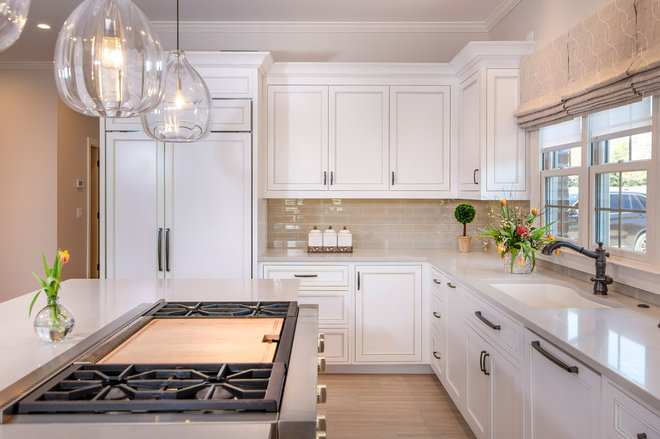
Buyers put a lot of their focus on the kitchen. After all, it can be one of the most expensive rooms to remodel and its features and conditions can make or break a sale.

Designers recently shared a list of the items with realtor.com® that could be subtly sabotaging a kitchen’s attractiveness, including:

Fluorescent lighting

“Nothing screams ‘cheap kitchen’ more than outdated fluorescent tube lighting with a yellowing plastic cover,” Jamie Novak, author of “Keep This Toss That,” told realtor.com®. Swapping out bad lighting for a budget-friendly chandelier or pendant lights can make a big difference, designers say. Or, try a small table lamp on the kitchen counter to soften the light, and remove any curtain valances from the window to allow more natural light in, suggests Karen Gray-Plaisted of Design Solutions KGP.

Overcrowded counters

Clutter is the enemy when you go to sell a home, and that means piles of old mail or several small appliances sitting on top of countertops. “Keeping anything up there, like teapots or dried flowers, is a dated way to decorate a kitchen,” Katie McCann, a professional organizer and owner of Haven, a home and office organizing company in New York, told realtor.com®. Remove rows of planters, baskets that line the top of kitchen cabinets, and any knickknacks on the countertop, designers say.

Dated drawer knobs

Drawer knobs or pulls that are chipped or scratched can make a kitchen look unkempt. However, this can be an inexpensive DIY project that provides an instant update. “Think of them as jewelry for the space,” Drew Henry of Design Dudes told realtor.com®.

Faux plants

Fake plants can cheapen a kitchen’s look, too. Remove the artificial potted ivy at the top of the refrigerator or row of faux greenery at the top of the kitchen cabinets. Instead, have a vase of fresh flowers on the kitchen island, or place a few potted herbs along the kitchen windowsill for a real touch of greenery, Novak suggests.

Unsightly trash cans

Plastic anything needs to be removed, designers say—especially that free-standing plastic trash can on the floor. If it needs to be left out, swap it out for a trash can made of metal. It’ll offer a more polished look to the kitchen. Better yet, “go for a model that will fit in a closet or pantry, or install a cabinet unit that offers the slide-out trash can feature,” Henry suggests.

Facebooktwitterpinterestlinkedin

Housing Could Turn Around Weakening Economy | #InvestInRealEstate #TalkToYourAgent #SiliconValleyAgent #YajneshRai #01924991 #YourAgentMatters #TeamYaj #SangeetaRai #02026129

Facebooktwitterpinterestlinkedin

Housing Could Turn Around Weakening Economy | Realtor Magazine

The longest economic expansion in the nation’s history—now approaching 10 years—may be nearing an end, writes Lawrence Yun, chief economist of the National Association of REALTORS®, in his latest column at Forbes.com. But the housing market could help turn around some sluggish economic numbers, such as business and consumer spending.

Consumer spending is slowing, despite a record number of jobs, rising wages, and plentiful wealth accumulation by homeowners and stock market investors, Yun notes. Rising tariff fights are also causing some recent hesitancy within the economy, Yun notes. He says that slower activity on international exports and imports have correlated with a slowing economy in the past.

“Real estate is the key area for future growth and a savior in the continuing economic expansion,” writes Yun. But while demand remains high, “there is a housing shortage, and hence a critical need to build more homes, especially at moderately priced points where the demand is strongest.”

Yun says that rising home sales and increased housing starts have long been associated with economic expansion. “More home sales also mean increased numbers of Americans who can participate in wealth gains,” he notes. “Consequently, consumer spending, including vehicle sales, can then turn higher.”

Still, while overall economic expansion may be slowing, Yun brushes off recession fears. He believes the economy will continue to expand from the housing market. “If the housing market turns measurably higher, the economy looks to do just fine for the remainder of the year and even better next year,” he notes. “If the trade war rhetoric quiets down and a genuine trade agreement is signed allowing for even more business freedom, then expect an economic boom.”

Facebooktwitterpinterestlinkedin

Mortgage Rates Inch Up, But Buyers Are Still Getting Deals | #MortgageInchesUp #TalkToYourAgent #SiliconValleyAgent #YajneshRai #01924991 #YourAgentMatters #TeamYaj #SangeetaRai #02026129

Facebooktwitterpinterestlinkedin

Mortgage Rates Inch Up, But Buyers Are Still Getting Deals | Realtor Magazine

Mortgage rates for 30, 15, ARM. Full information at http://www.freddiemac.com/pmms/

© REALTOR® MAGAZINE


After three weeks of mostly staying steady, average mortgage rates rose this week. However, rates still remain at multiyear lows, keeping borrowing costs low for those shopping for homes this summer.

“The rise in rates was driven by continued improvement in consumer spending and partly due to optimism around a forthcoming cut in short-term interest rates, which should provide support for business and investor sentiment,” says Sam Khater, Freddie Mac’s chief economist. “Despite this slight increase in rates, home buyers are taking advantage of the multiyear low rates in droves, which is evident in the consistently higher refinance and purchase application volumes. The improvement in housing demand should provide sufficient momentum for the housing market and economy during the rest of the year.”

Freddie Mac reported the following national averages with mortgage rates for the week ending July 18:

  • 30-year fixed-rate mortgages: averaged 3.81%, with an average 0.6 point, up from last week’s 3.75%. Last year at this time, 30-year rates averaged 4.52%.
  • 15-year fixed-rate mortgages: averaged 3.23%, with an average 0.5 point, rising from last week’s 3.22% average. A year ago, 15-year rates averaged 4%.
  • 5-year hybrid adjustable-rate mortgages: averaged 3.48%, with an average 0.4 point, rising from last week’s 3.46% average. A year ago, 5-year ARMs averaged 3.87%.
Facebooktwitterpinterestlinkedin

Build More Homes or Else … Get Fined? | #TooManyNewHomes? #NotReally #TalkToYourAgent #SiliconValleyAgent #YajneshRai #01924991 #YourAgentMatters #TeamYaj #SangeetaRai #02026129

Facebooktwitterpinterestlinkedin

Build More Homes or Else … Get Fined? | Realtor Magazine

In a move to address the housing shortage, some California cities may start to face some stiff penalties if they don’t start building more homes. Under a new bill, California cities could face fines up to $600,000 per month if they don’t build more homes for their residents.

A court can find a city or county in violation of state laws that set targets for how much housing a community needs to build to meet its population needs.

If found in violation, local governments would have a year to comply before the fine kicks in. Following six months of fines, the court could even take over a local government’s authority over its housing plans, according to the bill.

California has increasingly become the epicenter for the national housing shortage. California Gov. Gavin Newsom and state lawmakers have pledged to create a $1 billion fund to reward communities for “pro-housing” local laws that are aimed at ramping up construction.

“If cities aren’t interested in doing their part, if they’re going to thumb their nose at the state and not fulfill their obligations under the law, they need to be held accountable,” Newsom said at a recent news conference.

In January, California lawmakers sued Huntington Beach and accused Orange County of not doing enough to add housing for low-income residents. Newsom has threatened to sue other cities.

However, some officials are concerned about California’s latest movement in punishing cities that fall short of meeting housing goals. “We find new penalties on local governments already struggling to add housing and address homelessness concerning,” Graham Knaus, executive director of the California State Association of Counties, said in a statement. “Nonetheless, California’s 58 counties stand ready and committed to meet this challenge.”

Facebooktwitterpinterestlinkedin

Owners Spend More to Spruce Up Newer Homes Than Older Homes | #Upgrades #TalkToYourAgent #SiliconValleyAgent #YajneshRai #01924991 #YourAgentMatters #TeamYaj #SangeetaRai #02026129

Facebooktwitterpinterestlinkedin

Owners Spend More to Spruce Up Newer Homes Than Older Homes | Realtor Magazine

Homeowners are spending more to improve their homes, not necessarily on home maintenance.

Homes may be aging in the U.S., but don’t assume the age of a home is prompting more spending. A new report from HomeAdvisor, a home remodeling resource, finds that homeowners spent $3.70 less for every year since a home was built. That means the owner of a 100-year-old home could spend an average of $370 less on emergency home projects per year than the owner of a new home, the study notes.

Researchers say the growing cultural focus on design aesthetics and quality of life as well as newer and better home improvement tools may be leading to the uptick in home improvement spending.

Room remodels have been the most popular home improvement projects, with bathrooms topping HomeAdvisor’s list. Homeowners also are prioritizing new appliances, roof replacements, and hardwood refinishing.

Overall, owners spent an average of $9,081 on home improvement, maintenance, and emergencies for 2018, according to the report. Spending per household on home services is up 17% in 2018 from 2017, according to HomeAdvisor’s newly released report, the “State of Home Spending Report,” which focuses on home service spending.

Motivations for home improvements can differ depending on age group. For example, millennials were more likely than other generations to say they completed home projects to increase their home’s value. Baby boomers and Generation X, on the other hand, tended to be more motivated to “modernize” their homes. Millennials and the silent generation also were motivated to “improve aesthetics and design.”

“It makes sense that first time home buyers complete more home improvement projects and spend more money on home services,” says Mischa Fisher, HomeAdvisor’s chief economist and author of the report. “Many of the millennials who bought a home in the last few years are seeking upgrades to increase the value of their homes and improve aesthetics. This focus on return on investment from millennials is likely due to a combination of typical youthful focus on wealth accumulation and their comparatively poorer financial situation driving a hunger to recover relative to their older cohorts.”

Homeowners are spending more on home improvement projects than home maintenance projects, the report showed. For every $1 spent on home maintenance, homeowners spent an average of $5 on home improvement projects.

Homeowners should put aside money for house emergencies, financial experts say. One in three homeowners say they’ve completed an emergency home project, with the average cost about $1,206, over the past year, according to the study. Owners who live in areas prone to extreme weather events reported the highest spending from housing emergencies.

Facebooktwitterpinterestlinkedin

5 Remodels That Make Good Resale Value Sense — and 5 That Don’t | #Remodeling #TalkToYourAgent #SiliconValleyAgent #YajneshRai #01924991 #YourAgentMatters #TeamYaj #SangeetaRai #02026129

Facebooktwitterpinterestlinkedin

5 Remodels That Make Good Resale Value Sense — and 5 That Don’t

Repeat after me: I am the master of my remodel. Perhaps you should say it again, because sadly, it’s not always so. Remodels sometimes have a tendency to develop their own inertia, as decisions lead to new dilemmas, unintended consequences and surprising outcomes. In some cases, these flights of fancy are perfectly acceptable, provided the design and completed execution truly align with the vision and budget.

But if your budget is a concern, and the wise investment of limited home improvement dollars matters, then there are a few basic guidelines you should familiarize yourself with before planning your remodel. Today we review five remodels that typically make good financial sense, providing a nice return on the investment at the time of resale — and five that don’t.
Facebooktwitterpinterestlinkedin

Buyers Aren’t Shying Away From Supersized Mortgages | #Mortgages

Facebooktwitterpinterestlinkedin

Buyers Aren’t Shying Away From Supersized Mortgages | Realtor Magazine

Borrowers found it easier to access credit in June, but it was jumbo mortgage credit that saw some of the highest growth. According to a new report from the Mortgage Bankers Association, jumbo loans—mortgages with higher debt—are on the rise and were easier to get in June than any other month in the past eight years.

Jumbo mortgage credit rose for the sixth straight month, rising to its highest level since 2011, when the MBA’s survey began.

A jumbo loan is a type of financing designed to finance luxury properties and homes that exceeds the limits set by the Federal Housing Finance Agency. The valuesvary by state. As of 2019, the limit for a jumbo mortgage was set at $484,350 for most of the country, and up to $726,525 in counties with higher home values.

Mortgage rates for jumbo loans have remained low, which may be adding to their appeal. The average contract interest rate for 30-year, fixed-rate mortgages with jumbo loan balances—those greater than $484,350—increased to 4.03% from 4% last week, the MBA reported Wednesday.

“Credit availability has generally increased in 2019 as lenders have worked to meet affordability challenges,” says Joel Kan, the MBA’s associate vice president of economic and industry forecasting. “Because mortgage rates have recently fallen and home price growth has decelerated in many markets, credit availability may stabilize at its current levels.”

Facebooktwitterpinterestlinkedin