Sellers: Hide Your Paperwork | #BeSafe #TalkToYourAgent #SiliconValleyAgent #YajneshRai #01924991 #YourAgentMatters #TeamYaj #SangeetaRai #02026129

Facebooktwitterpinterestlinkedin

Sellers: Hide Your Paperwork | Realtor Magazine

Watch out for prying eyes. Home sellers accumulate lots of paperwork during a transaction, such as estimates for home improvements, bills for services rendered, and warranties for appliances. Many homeowners may store these documents in a folder for safekeeping.

But as potential home buyers tour a house, homeowners may need to be reminded to hide their personal paperwork.


Labeling a document “Home Sale Documents” and leaving it in an area that is easily found is not the best move, a new article atOrange County Registerwarns. House hunters may be tempted to look at documents left out in the open, and viewing a listing agreement could reveal the commission that the seller is paying their agent and other information. Buyer’s agents know the commission that sellers will pay from the MLS listing, but allowing them to see the total commission may be giving away too much information, theRegister warns.

The receipts of recent work owners done on the house may also be revealing too much, the article warns. Buyers would be able to view the price owners paid for the exterior paint job, new cabinets, new counters, new appliances, or other projects. Certainly, sellers will disclose any repair and improvement information they did during escrow. But they are not obligated to disclose the price they paid for that work.

Facebooktwitterpinterestlinkedin

Finding the Right Type of Blinds for Your Windows | #BlindsShades #TalkToYourAgent #SiliconValleyAgent #YajneshRai #01924991 #YourAgentMatters #TeamYaj #SangeetaRai #02026129

Facebooktwitterpinterestlinkedin

Finding the Right Type of Blinds for Your Windows | Home Matters | AHS

Looking to buy new blinds? Check out our article on how to find the right type of blinds for your windows and learn more about installing blinds.

Woman looking out of window with blinds
 

Blinds and shades control the amount of light that enters your home, and they can enhance your family’s privacy by blocking the view inside. But the days of hanging up simple white mini-blinds in every room are over. These days, homeowners can choose from a plethora of different blinds and shades made in a range of different materials to fit every decorating style. They can serve a variety of purposes, including insulating windows and darkening or brightening a room.

Learn about some of the most common types of blinds and shades and how to find the right one for you.

Blinds or Shades – What’s the Difference?

Blinds and shades are both considered types of hard window dressing, but there are some key differences between them. Blinds use either vertical or horizontal slats that can be turned to adjust the amount of light they let in. They are usually made of wood, vinyl, metal or a composite. You can close the slats completely for maximum privacy, but because blinds cover the entire length of the window, they will maintain some privacy, even if the slats are opened all the way.

Shades are window coverings that are fabric-based, so they lend a softer look to rooms in which they are used. Shades may also be made of woven wood, typically bamboo. Instead of tilting slats to open or close shades, you pull them up and let them down in order to adjust the amount of light in a room. They offer less privacy than blinds because they do not cover the entire window when opened even partially.

What to Consider When Shopping for Blinds

When you’re shopping for blinds or shades, you should consider the following questions:

  • How much light or privacy do you want in each room?
  • Will the window coverings will be exposed to moisture?
  • Do you have kids?
  • Are you willing to have window coverings professionally cleaned?
  • How much are you looking to spend?
  • What’s your decorating style?
  • Do you need blinds for a glass door?

Blinds may be the best choice for rooms in which privacy is a priority but where you may still want some natural light. If you have kids, cords on blinds and shades can present a strangulation risk, so choose cordless models instead. You can clean blinds yourself, but shades will need to be professionally cleaned. And you may want to spend more on window coverings in high-traffic areas, like the family room or dining room, or for a specific window treatment that complements a prized decorative theme in your home.

If you’re looking to save a bit on your energy bills, you might also consider smart blinds, which can automatically open or close on a programmed schedule or via a command from a smartphone. 

Choosing Styles and Materials for Your Home

Choose blinds or shades that complement the décor of the room they’re in and meet the needs of that space. For example, blinds are ideal in a bathroom, where you may want maximum privacy but may also want some natural light occasionally. Vinyl blinds would hold up best in a moist environment, whereas wood blinds would warp, split or otherwise respond poorly to moisture in the air. 

Blinds can either be horizontal or vertical. Window blinds are typically horizontal, while door blinds are vertical. Vertical blinds can also be a great choice for picture windows or any window that is wide but relatively short. Choose wider horizontal slats to make small windows feel bigger or insulating blinds to keep your heating and cooling costs low.

Wood blinds come in a range of colors and finishes, and they may look best in formal areas like dens, sitting rooms and offices. However, if you want a softer look for a living room or bedroom, shades may be the better option. Popular styles of shades include Roman shades, which have wide pleats that fold up when the shade is raised; cellular shades, which use rows of air pockets to keep heat out during hotter months and in during the colder months; and blackout shades, which can darken a bedroom or media room by blocking all external light. Conversely, you could choose solar shades for a playroom, sun room, office or dining area. These sheer shades let in lots of light but block harmful UV rays that cause skin cancer and can fade upholstery, carpet and wood surfaces inside your home. 

Blinds and shades can keep your home comfortable and completely revamp the look of a room, and if you’re wondering how to install blinds, it usually only requires a few screws. Choose them carefully to complement your décor, insulate your windows, and meet your needs for privacy and light. You’ll find that your investment will make your house feel cozy for as long as you call it home.

Facebooktwitterpinterestlinkedin

Mortgage Rates Hold Steady This Week | #RatesThisWeek #TalkToYourAgent #SiliconValleyAgent #YajneshRai #01924991 #YourAgentMatters #TeamYaj #SangeetaRai #02026129

Facebooktwitterpinterestlinkedin

Mortgage Rates Hold Steady This Week | Realtor Magazine

The 30-year fixed-rate mortgage averaged 3.73%, unchanged from a week ago, Freddie Mac reports.

“The economy continued to pick up momentum with a solid increase in residential construction, improvement in industrial output in our nation’s factories and a rise in job openings,” said Sam Khater, Freddie Mac’s chief economist. “While the economy is in a sweet spot, improvements in housing market sales volumes will be modest heading into next year simply due to the lack of available inventory.”

Indeed, the National Association of REALTORS®’ Chief Economist Lawrence Yun said home sales could be “choppy when inventory levels are low,” but he noted that the economy is otherwise performing very well and buyer demand remains high. NAR released its existing-home sales report on Thursday, which showed sales slipped by 1.7% month over month in November. Read more: November Sales Slip Not Indicative of Larger Trend

Freddie Mac reported the following national averages with mortgage rates for the week ending Dec. 19:

  • 30-year fixed-rate mortgages: averaged 3.73%, with an average 0.7 point, unchanged from last week. Last year at this time, 30-year rates averaged 4.62%.
  • 15-year fixed-rate mortgages: averaged 3.19%, with an average 0.7 point, unchanged from last week. A year ago, 15-year rates averaged 4.07%.
  • 5-year hybrid adjustable-rate mortgages: averaged 3.37%, with an average 0.4 point, rising from last week’s 3.36% average. A year ago, 5-year ARMs averaged 3.98%.
Facebooktwitterpinterestlinkedin

Seniors’ Housing Wealth Hits Record High | #WealthThroughRE #TalkToYourAgent #SiliconValleyAgent #YajneshRai #01924991 #YourAgentMatters #TeamYaj #SangeetaRai #02026129

Facebooktwitterpinterestlinkedin

Seniors’ Housing Wealth Hits Record High | Realtor Magazine

Seniors who own a home should feel richer. Homeowners 62 and older saw their housing wealth grow by 0.3% in the third quarter—or $24 billion. That brought senior housing wealth to a total record high of $7.19 trillion, the National Reverse Mortgage Lenders Association reports.

The increase was due to a 0.5% uptick in seniors’ home values, the report notes.


Chart showing senior home equity

Riskspan Inc.


“Research suggests that as we age, Americans will spend more of our hard-earned retirement assets on health care, such as insurance, prescription drugs, in-home care, and other services that help us remain independent,” says Steve Irwin, president of NRMLA. “A retirement plan that includes the responsible use of home equity may be the best option that can help ensure health care spending doesn’t become a financial burden for many retired couples.”

For the overall market, rising home prices have meant rising housing wealth for most homeowners, regardless of age, economists said at the Real Estate Forecast Summit, hosted by the National Association of REALTORS®, last week. Lawrence Yun, NAR’s chief economist, presented during the summit a chart showing the uptick in homeowners’ wealth:


Chart showing rising wealth


Facebooktwitterpinterestlinkedin

Housing Construction Rises But Still Falls Short | #HousingShortage #TalkToYourAgent #SiliconValleyAgent #YajneshRai #01924991 #YourAgentMatters #TeamYaj #SangeetaRai #02026129

Facebooktwitterpinterestlinkedin

Housing Construction Rises But Still Falls Short | Realtor Magazine

More new-home construction is coming, and builders are increasingly confident about the direction of the market. Housing starts in November rose 3.2% to a seasonally adjusted annual rate of 1.37 million units, the U.S. Commerce Department reported Tuesday.

Broken out, single-family home construction rose 2.4% year over year in November, while the multifamily sector, which includes apartments and condos, rose 4.9%.

In the eye of a massive housing shortage nationwide, the latest new-home numbers are a positive sign. However, they still fall drastically short of demand, says Lawrence Yun, chief economist for the National Association of REALTORS®. He says housing starts are short by 135,000 compared to the long term average—and well short of the 5 million to 6 million that is needed to fully end the housing shortage.

“More home construction appears to be on the way as we move into 2020, as reflected in the very high confidence of home builders,” Yun says. “They are clearly recognizing an improving business opportunity. Some innovation in the industry is required as construction workers are hard to obtain in the current tight job market conditions. Modular factory-produced aspects need to be considered more intently to boost productivity. Overall, more construction will mean more housing inventory to choose from for consumers. Home sales can then easily rise while taming the fast growth in home prices.”

Single-family housing starts have been posting a steady improvement since earlier this year, adds Robert Dietz, chief economist of the National Association of Home Builders. Year-to-date, single-family and multifamily starts are up by the most in the South, rising 7.4%, and by 0.9% in the Northeast. Meanwhile, starts are down 5.8% in the Midwest and 8.7% in the West.

Housing permits, a gauge for future construction, rose 1.4% in November to a 1.48 million annual rate.

The National Association of REALTORS® will be releasing its latest existing home sales report on Thursday.

Facebooktwitterpinterestlinkedin

Why Are Homeowners Removing the Fireplace? | #Fireplace #TalkToYourAgent #SiliconValleyAgent #YajneshRai #01924991 #YourAgentMatters #TeamYaj #SangeetaRai #02026129

Facebooktwitterpinterestlinkedin

Why Are Homeowners Removing the Fireplace? | Realtor Magazine

Some homeowners are viewing the fireplace as more of a liability than an asset—and they’re opting to remove it. After all, there are an average of 22,300 fireplace, chimney, or chimney connector fires each year, according to the Consumer Product Safety Commission. Some owners are removing them because of those potential dangers, but others’ reasoning is more design-oriented—they don’t want a fireplace because it’s taking up too much space in their home or even dating their home’s look.

Fireplaces can be conducive to open floor plans. “Recently, I had two clients remove their fireplaces because they were used as dividers between rooms,” Tamara Heidel, a real estate broker at Heidel Realty in Las Vegas, told realtor.com®. They were able to open up the space by removing the fireplace.

Home builders have reported thatthey’re adding fewer fireplaces into new homesthey build. 

But losing a fireplace can affect a home’s appeal and possibly even its resale value, real estate pros say. A fireplace can particularly be viewed as a valuable amenity in colder climates, and removing one could even reduce the number of buyers drawn to a property, some agents say.

Fireplaces can add warmth and cozy vibes to listings. “Imagine sitting around the fireplace on a cold night to warm up or marking s’mores with your kids,” says Brett Ringelheim, a real estate pro with Compass in New York. It can be a sought-after amenity among buyers.

That’s why removing it seems absurd to some real estate pros. “You don’t want your home to be labeled ‘the house without a fireplace,’ especially in cold climates,” Benjamin Ross, a real estate professional with the Mission Real Estate Group in San Antonio, Texas, told realtor.com®.

Removing a fireplace isn’t easy, either. “The removal would not only be expensive but could compromise the home’s stability,” Katina Asbell, associate broker at Real Living Capital City Realty in Atlanta, told realtor.com®. The masonry base and chimney tend to be a big part of a home’s structure.

For owners who feel like their fireplace looks dated, it could be cheaper to renovate it, even with just a new coat of paint. Paint it white or replace the mantel, agents suggest.

Jared Greenberg, a real estate pro with Keller Williams Premier Realty in Katy, Texas, told realtor.com® that he’s never had buyers who didn’t purchase a home because it had a fireplace. “Even if someone doesn’t plan on using it, they can turn it into a decorative fireplace and put candles or stacked wood in it,” he says.

Facebooktwitterpinterestlinkedin

Just How Good Are Homeowners’ DIY Skills? | #DIYSkills #TalkToYourAgent #SiliconValleyAgent #YajneshRai #01924991 #YourAgentMatters #TeamYaj #SangeetaRai #02026129

Facebooktwitterpinterestlinkedin

Just How Good Are Homeowners’ DIY Skills? | Realtor Magazine

Many homeowners like to attempt a household task themselves before calling in professionals. The most common household project they are willing to do themselves is assemble furniture, according to a new survey of nearly 1,000 Americans conducted by home services firm HireAHelper. Homeowners also show a willingness to take on bathroom projects, such as unclogging a toilet, replacing a showerhead, and caulking a bathtub, according to the survey.


DIY Infographic. View source link for more information.

© Hire A Helper


Respondents were more inclined to say they’d call in a professional to fix electrical problems. Homeowners appear to be most intimidated by ceiling fan installations: Only 40% say they’d do it themselves. Younger respondents seemed the most intimidated by tackling household projects themselves. A third of Gen Zers say they have never unclogged a toilet, and a quarter say they’d rather call a professional to handle the task.

Facebooktwitterpinterestlinkedin

The Right Way to Clean Granite | #GraniteCare #TalkToYourAgent #SiliconValleyAgent #YajneshRai #01924991 #YourAgentMatters #TeamYaj #SangeetaRai #02026129

Facebooktwitterpinterestlinkedin

The Right Way to Clean Granite | Realtor Magazine

It’s important that those granite countertops gleam during showings, but some cleaning products may actually harm them. White vinegar, for example, has been a popular cleaning agent because it’s inexpensive and can combat bacteria and mold on many surfaces, such as glass and linoleum. But the acid in the vinegar can gradually ruin the finish of granite and wear away at the protective sealant, according to a new article at Apartment Therapy.

Acid-based cleaners such as lemon juice or citric acid—which can be found in many all-purpose cleaners—wear away the sealant, the article warns. Instead, clean granite countertops with mild soap and water. To disinfect counters, use isopropyl alcohol, along with soap and water, or commercial granite cleaners.

Facebooktwitterpinterestlinkedin

7 Things You Should do When Selling Your Home During the Holidays | #Holidays #TalkToYourAgent #SiliconValleyAgent #YajneshRai #01924991 #YourAgentMatters #TeamYaj #SangeetaRai #02026129

Facebooktwitterpinterestlinkedin

7 Things You Should do When Selling Your Home During the Holidays

Believe it or not, the holiday season can be a great time to sell your home. You may think that spring is the ultimate season to sell your home due to more houses being listed and more people seem eager to buy. It’s true that the housing market typically heats up during the spring, however, the holiday season is often overlooked as a prime time to sell. 

Why? First of all, there is less inventory on the market typically, allowing your home to easily stand out among the available inventory. And though there are technically fewer buyers overall, the buyers that are looking are far more serious about finding a home within a specific timeframe. So, make your home warm and inviting and open it up to those looking to buy, because selling your home during the holidays might be your best present this year. 
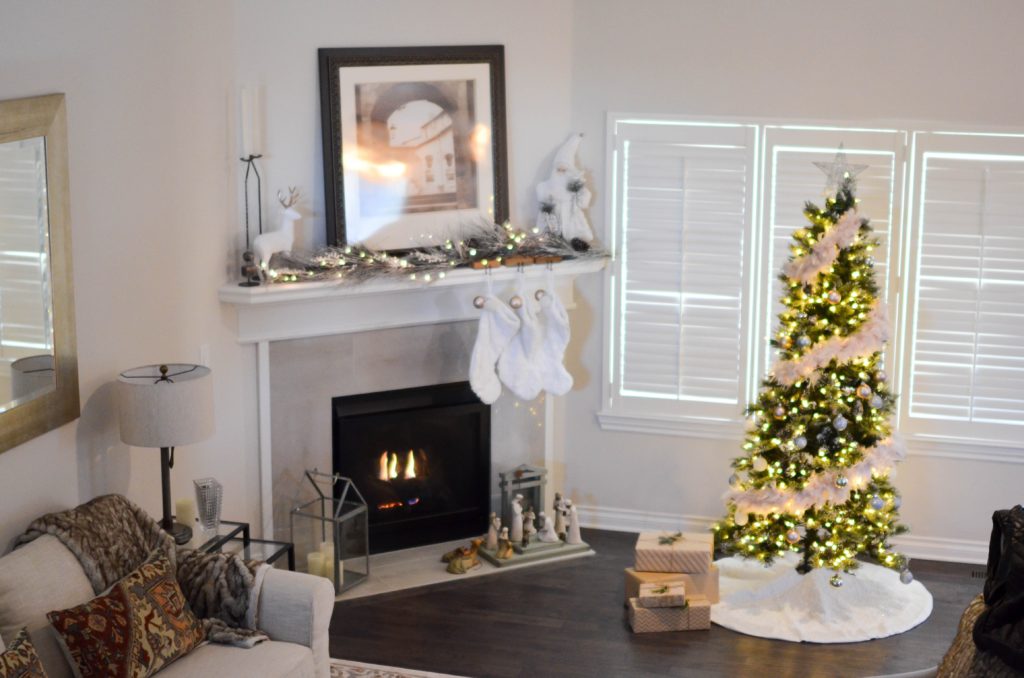
Holiday decorated living room for a house listed to sell

1) Stage for the Holidays. Think Clean, Cozy, Simple.

Yes, you should absolutely decorate your home during the holidays even if you are trying to sell it. The real question you should be asking is, how much

One thing that happens to all homeowners is that we tend to accumulate a lot of stuff. This is especially true of holiday decorations. When you pull out holiday decor this year, think like a stager or a designer. You don’t want to use every decoration or ornament you’ve ever owned. This year, for the sake of appealing to the buyers touring your home, use your best decorations as holiday accents in each room without drawing attention away from your home’s best selling features.

Your home may have large windows with a great view or maybe your home has a dream kitchen. Whatever sold you on your home when you first bought it is most likely the same feature(s) that will sell your house this holiday season. So, don’t cover up your view with an excessively large Christmas tree, even though you may have the high ceilings for it, or bury your living room in snow globes, nutcrackers, and an abnormally large nativity scene. You want to accentuate your home’s best features with holiday decor, not bury them.

Just remember that you should still enjoy the holidays in your home even if you’re trying to sell it. Holiday decor can go a long way in making your house feel like a future home for those touring it. If you have a fireplace, decorate it with garland and hang stockings from its mantle. Use candles and wallflowers that are iconic smells of the season, such as pumpkin spice or balsam and cedar. You especially want to keep your home clutter-free and need to clean it regularly. The holidays can easily bring in the clutter, so make sure you stay on top of it. You want homebuyers to feel comfortable and warm the moment they walk through your front door. You want them to feel at home.

Stockings hung from a mantle that highlights the home feature without covering it

2) Price Your Home to Sell 

You and your listing agent will most likely come up with a pricing strategy together based on comparable homes in the area, what the current housing market is doing, and what the demand for housing looks like or is projected to do. Ultimately, several variables go into pricing ones home to sell, however, there are a couple of easy tricks that can help attract homebuyers.

Price Your Home Competitively

If your home was a lemonade stand that was competing against a rival lemonade stand on the other side of the street, how would you make your lemonade more enticing to people passing by? Maybe your lemonade comes in a larger cup, maybe it comes with ice, or maybe it’s just priced lower than your competition. 

If your home looks like all the other homes on the block with similar features, then a lower price point will definitely draw in more traffic than your rivals. However, if your home is the largest one on the block, has more acreage, or a double car garage and pool, you can price your home based on the increased value it provides. Start off by seeing how much your home is worth by checking out online estimates and then compare them to other houses in your area.

Use Strategic Price Points When Listing Your Home

Have you ever noticed while you’re grocery shopping that almost all prices end in .99, such as $1.99 or $4.99? This simple manipulation of pricing is called setting strategic price points and essentially makes the price of something appear smaller (or cheaper) than it really is. The same exact concept works when pricing your house to sell. For example, if you decide your home could sell for $500,000, pricing it at $499,000 will (theoretically) draw in more traffic and possibly more offers.

3) Make Your Curb Appeal a Top Priority
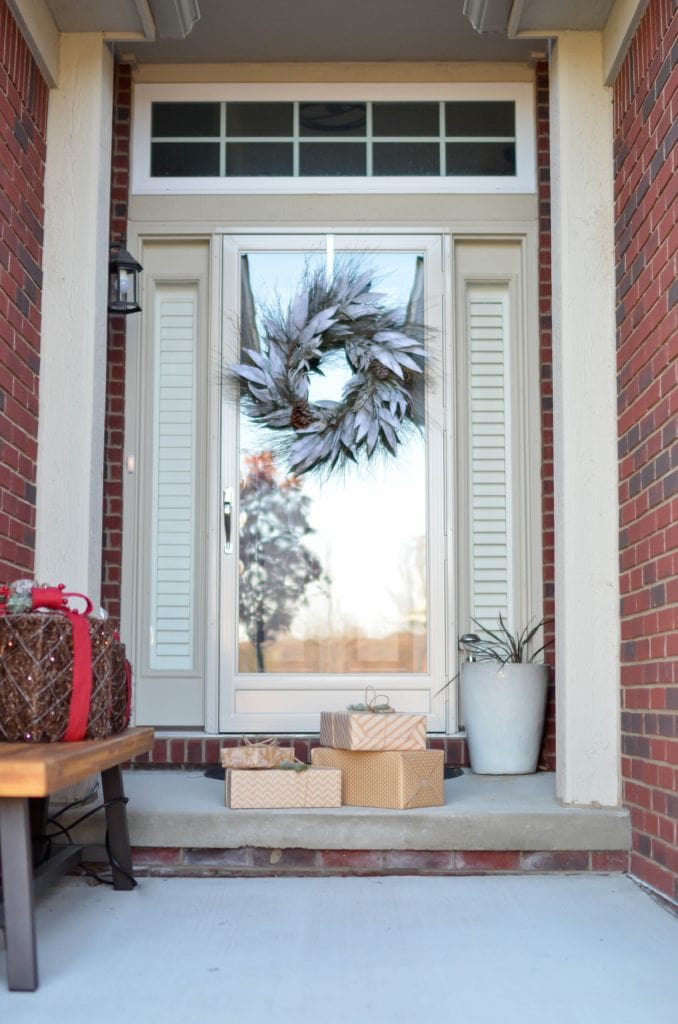
Focus on your curb appeal when selling your home during the holidaysYour neighborhood may actually look more appealing to homebuyers during the holiday season. Maybe you live on one of those streets where everyone from miles around drives down your lane to see houses lit up in all colors of holiday splendor. You don’t want to go overboard with your exterior holiday decorations, but you want to make your house shine along with the other homes on your block.

Furthermore, your lawn may not be that lush green it usually is during the summertime, and your trees may currently be barren. That’s why making your curb appeal a top priority is necessary when selling your home in winter. Make sure all the sticks, dead leaves, and any other debris are picked up and your lawn is neatly trimmed. Even though we have entered the colder months, a few weeds that poke up from the ground can make your lawn seem neglected. If you have pictures of your home at alternative times of the year when your curb appeal is burgeoning with flora, these may also be a good idea to have available for homebuyers. This way instead of homebuyers trying to picture your house in other seasons, they can just see it for themselves.


4) Keeping your Property Safe for Homebuyers

Unlike home sellers that live in coastal regions, there are many more home sellers living in mainland USA where outside temperatures are well below freezing during the holiday season. Driveways and walking paths are blanketed in snow and ice, and icicles hang from gutters like glass curtains. A legitimate concern for home sellers in one of these frigid areas is how to keep your property safe for homebuyers. The only thing you can really do is be proactive and break out that snow shovel and start clearing a path.

If you’re expecting snow on an almost weekly basis, then it might be best to hire out professionals to come by once a day and make sure your driveway, front steps, and any walking path are cleared for people touring your home.

Clear your walkways when selling your home during the holidays

5) Turn On the (Holiday) Lights

To complement the coziness of your home, you’ll also want to make it bright. Turn on all the lights in your house during open houses and home tours. It may be the darkest time of year outside but you can make sure it doesn’t feel that way inside your home.

This is also a great time to replace burnt out light bulbs and fix light switches that are not working. You may also want to consider making all your interior lighting the same color temperature, such as a soft white which brightens rooms without giving you that institutional feel. This will help with consistent lighting throughout your home, creating a balanced feel as potential buyers walk through each room.

6) Slay the Holiday Season with Professional Real Estate Photos

The absolute biggest thing you can do for your house in terms of marketing it to potential homebuyers is getting professional real estate photos taken. However, this is the one time you don’t want to have your holiday decor on display. In fact, getting your professional photos taken of your house before you decorate is a must because holiday decorations essentially create a time-stamp of your home. 

If your home doesn’t sell during the holidays you don’t want your house to still be rocking holiday lights in its listing photos come February or March, or you risk turning off potential homebuyers. So plan on getting your listing photos taken as soon as you can so you can decorate for the holidays and enjoy the season.

7) Get Santa’s Perspective with Aerial Photography

It doesn’t matter if you live sunny Tampa, FL or buried in snow in Minneapolis, MN, consider aerial photography to help make your home stand out this holiday season. If your home has acreage or a view or any other amenity that cannot be fully captured unless it’s done by air, then aerial photography may be what you need. 

Drone photography, in particular, has become an increasingly affordable option when compared to traditional aerial photography and can offer buyers a unique perspective of your home and can help make your listing stand out among the other homes for sale online. Furthermore, aerial photography can give potential buyers an overview of your neighborhood along with other amenities that may be within walking distance of your home. 

Facebooktwitterpinterestlinkedin

Study: Consumers’ Homebuying Optimism Bounces Back Up | #HomeBuyingUp #TalkToYourAgent #SiliconValleyAgent #YajneshRai #01924991 #YourAgentMatters #TeamYaj #SangeetaRai #02026129

Facebooktwitterpinterestlinkedin

Study: Consumers’ Homebuying Optimism Bounces Back Up | Realtor Magazine

Fannie Mae’s Home Purchase Sentiment Index rebounded in November, nearing a survey high that was set in August as more Americans show greater confidence in home buying. The index, based on consumer surveys, showed the greatest increases in the percentage of Americans who believe now is a good time to buy and those who believe home prices will continue to rise over the next 12 months.

“Over the past year, a growing share of consumers say that they expect mortgage rates to remain steady,” says Doug Duncan, Fannie Mae’s chief economist and senior vice president. “While low rates have helped boost housing affordability compared to last year, the [index] has increased only moderately in that time frame. This may be due in part to the ongoing challenge of tight housing supply, especially in the starter home market.”

With recent mortgage rate declines, home buyers can increase what they pay for homes while still holding their payment size constant, Duncan says. “As a result, home prices are propelled higher, mitigating the benefit of lower borrowing costs for many borrowers,” he adds. “Additionally, a rising savings rate suggests that consumers could be growing more financially conservative. Looking ahead, we continue to expect a steady but modest pace of growth in home purchase activity.”

Here’s a closer look at Fannie Mae’s Home Purchase Sentiment Index results for November:

  • 61%: the percentage of Americans who say now is a good time to buy (up from 57% in October) and the highest level since March 2018. Meanwhile, 29% of Americans said now is a bad time to buy, which is down from 36%.
  • 66%: the percentage of Americans who say it is a good time to sell (down slightly from 67% in October).
  • 44%: The percentage of Americans who say home prices will rise in the next 12 months, up from 41% the month prior. The percentage who say home prices will decline was 10% and those that believed prices will stay the same was 40%.
  • 11%: The percentage of Americans who say mortgage rates will go down in the next 12 months, down from 12% the month prior. Thirty-nine percent of Americans believe mortgage rates will rise.
  • 86%: The percentage of Americans who say they’re not concerned about losing their job over the next 12 months.
  • 28%: The percentage of Americans who say their household income is significantly higher than it was 12 months ago; 10% say their household income is significantly lower.
Facebooktwitterpinterestlinkedin