Mortgage Rates Fall to 3-Month Low | #RateLowersABit #TalkToYourAgent #SiliconValleyAgent #YajneshRai #YourAgentMatters #01924991

Facebooktwitterpinterestlinkedin

Mortgage Rates Fall to 3-Month Low | Realtor Magazine


Mortgage rates for 30, 15, ARM. Full information at http://www.freddiemac.com/pmms/

Mortgage rates were back down across the board again this week, offering some temporary relief to home buyers. Rates posted a rapid increase throughout most of the spring but have recently reversed course, declining in five of the past six weeks. The 30-year fixed-rate mortgage is now at its lowest average since April.

“The run-up in mortgage rates earlier this year represented not just a rise in risk-free borrowing costs, but for investors, the mortgage spread also rose back to more normal levels by about 20 basis points,” says Sam Khater, Freddie Mac’s chief economist. “What that means for buyers is good news. Mortgage rates may have a little more room to decline over the very short term.”

Freddie Mac reports the following national averages with mortgage rates for the week ending July 5:

  • 30-year fixed-rate mortgages: averaged 4.52 percent, with an average 0.5 point, dropping from last week’s 4.55 percent average. Last year at this time, 30-year rates averaged 3.96 percent.
  • 15-year fixed-rate mortgages: averaged 3.99 percent, with an average 0.4 point, falling from last week’s 4.04 percent average. A year ago, 15-year rates averaged 3.22 percent.
  • 5-year hybrid adjustable-rate mortgages: averaged 3.74 percent, with an average 0.3 point, falling from last week’s 3.87 percent average. A year ago, 5-year ARMs averaged 3.21 percent.
Facebooktwitterpinterestlinkedin

When and How Much Should You Water Your Lawn? | #OptimalLawnWatering #TalkToYourAgent #SiliconValleyAgent #YajneshRai #YourAgentMatters #01924991

Facebooktwitterpinterestlinkedin

When and How Much Should You Water Your Lawn? | Realtor Magazine

For green, vibrant grass, it is essential for homeowners to learn about aerating, seeding, and watering their lawns to keep the curb appeal intact, according to realtor.com®’s Lawn Lover’s Guide.

“When you don’t give your lawn enough water, it grows with shallow roots,” says Don Botts, the president of Quality All-Care Services in Bonner Springs, Kan. “This can stunt the growth of your grass and make it harder for your lawn to survive severe temperatures or disease.”

So when is the ideal time to water a lawn? Many may assume it’s at night, but experts say that’s wrong. Instead, the best time to water a lawn is in the morning, between 4 a.m. and 10 a.m., Botts says.

“There are a lot of people who are surprised to find out that watering your lawn at the wrong time of day can have such an impact,” Botts told realtor.com®. “Watering at night often means that water will sit on your grass overnight, which can lead to disease.”

Also, lawn experts say it’s important not to water during the hottest part of the day. The heat will cause the water to evaporate quickly before the water has a chance to penetrate the roots of the grass.

It’s important to make sure grass gets enough water, but not too much either. For homeowners who have underground sprinklers, Chris Bartells, owner of Green Mountain Turf Sprinkler Repair in Lakewood, Colo., recommends placing empty cans near sprinkler heads and checking to see how much water the sprinklers emit in a span of 15 to 20 minutes.

“Then measure how many inches of water is in each can, using a ruler,” Bartells suggests. “Average that by the amount of time you ran your system, and you should end up with a pretty good estimate of how long your lawn needs to be watered to get the full inch or two of water that it needs [per week].”

Facebooktwitterpinterestlinkedin

Millennials Take Extreme Measures to Afford a Home | #OwnershipDesire

Facebooktwitterpinterestlinkedin

Millennials Take Extreme Measures to Afford a Home | Realtor Magazine

Young adults express such a strong desire to own a home that they are willing to take on extra work or make another major sacrifice in order to afford one. Thirty-six percent of millennial home buyers say they’ve taken a second job to save for a down payment, according to a new Redfin survey of about 500 respondents between the ages of 24 and 38 who plan to buy their first home in the coming year.

The top concern among these first-time home buyers is having enough money for a down payment; 50 percent cited it as their number one barrier to homeownership, followed by affording a home in their preferred location (45 percent) and rising home prices (41 percent). Millennials are finding other ways to save for a down payment aside from working multiple jobs. Thirteen percent say they have taken early distributions from their retirement funds, 24 percent say they received a cash gift from family members, and 12 percent say they’ve added inheritance money to their savings.

Ten percent of millennials say they’ve even sold cryptocurrency to make more money to apply toward a home purchase, according to the survey. Millennial households earning more than $100,000 were three times more likely to have sold cryptocurrency than those earning less. “For millennials who have launched their careers while working to pay off student loans in the last decade, having enough to set aside toward a down payment would have been a significant accomplishment,” says Redfin Senior Economist Sheharyar Bokhari. “These results reveal some of the inequalities that have been exacerbated in the years following the recession, with the well-off having more flexibility and, thereby, ability to become homeowners and build more wealth through advantages like financial support from family and the opportunity to invest in the stock market.”

The survey revealed that millennials plan to take some of the following actions to build financial stability in order to buy their first home.

  • 32 percent plan to pursue additional employment.
  • 19 percent intend to rent out a room to someone they know.
  • 15 percent say they will drive for a ride-sharing service.
  • 14 percent plan to split ownership of a home with friends or roommates.
Facebooktwitterpinterestlinkedin

4 Renovation Myths Reality TV Shows Propagate | #RenovationMyths #TalkToYourAgent #SiliconValleyAgent #YajneshRai #YourAgentMatters #01924991

Facebooktwitterpinterestlinkedin

4 Renovation Myths Reality TV Shows Propagate | Realtor Magazine

Home improvement reality television shows have long misguided consumers about the renovation process. You likely have some clients who are obsessed with channels such as HGTV, and they may have developed some common misunderstandings about the real time and effort it takes to undergo remodeling a home. Fox News recently highlighted several myths these shows tend to generate.

The answer to creating more space is always to knock down walls. Designers on television often make major changes to floor plans to increase the dramatic effect. But the truth is large undertakings such as removing walls aren’t always necessary—or wise. “When someone buys a 1990s-era home—which [usually were] built quickly and on the cheap—we can’t rip out walls,” Teris Pantazes, a Baltimore contractor, told Fox News. “It’s important for a home to have good bones. I have been in this business for a long time, but I’m not an engineer. I still have customers question me, and I see them waste tons of money to verify what I already told them.”

A well-done remodeling project can be completed in a day. Viewers may forget that fitting an entire narrative into a 30- or 60-minute show requires editing out some—or most—of the actual renovation process. Your clients may falsely believe real-life work can be done as quickly as it appears on TV. “The number one problem with real estate television shows is that they significantly shorten the amount of time that almost anything takes for the purpose of advancing the narrative,” says Kevin Deselms, a sales associate with RE/MAX Alliance in Golden, Colo. That can mislead viewers to expect instant results.

The permit process is a simple, insignificant part of the equation. Remodeling, especially when it involves additions to the home, often requires securing building permits from the local government—which can significantly slow the timeline of a project. “HGTV shows sometimes discuss the need for permits, but they don’t often show how this process can slow the entire project,” says Jeffrey A. Hensel of North Coast Financial Inc. Waiting for permit approval can increase time and budget by 50 percent, he says.

For higher ROI, go bigger with renovations. “HGTV shows like to feature flips with full kitchen and bath remodels because the before-and-after shots make for more compelling viewing,” Bobby Montagne, CEO of Walnut Street Finance, told Fox News. “In fact, aspiring fix-and-flippers are often better off doing small-scale renovations that just need carpet, paint, and some freshening up—especially for their first projects.”

Facebooktwitterpinterestlinkedin

Patio Stones | Paving Stones for Patios | #PatioStonesGuide #TalkToYourAgent #SiliconValleyAgent #YajneshRai #YourAgentMatters #01924991

Facebooktwitterpinterestlinkedin

Patio Stones | Paving Stones for Patios | HouseLogic

Brick. Flagstone. Concrete. Even rubber!

You’ve got choices when it comes to pavers. And that means anything but boring. Mix and match a couple or more to create your own backyard masterpiece.

Here’s some info on each type, plus some tips on installing them. Happy paving!

Brick

Brick’s got character. No denying it. You can explore your creative chops by setting them in intricate patterns. Thinner than typical “builder bricks” used on home siding, they’re made to hold up under heavy foot traffic.

Brick pavers come in a variety of shapes, sizes, colors, and finishes, and can look old or new. Because they’re smaller than other pavers, they take a while to put in place, and installation costs can be higher.

You can do the job yourself for $3 to $5 per square foot. You’ll need to rent a brick saw — a heavy table-mounted saw that makes cutting masonry a snap. Cost: $60 to $95 per day. Don’t forget: You’ll need to figure out a way to get the brick saw to your house.

For a pro-installed brick patio, you’ll pay $12 to $18 per square foot, professionally installed.

Facebooktwitterpinterestlinkedin

Redfin Survey: Homebuyers Face Rising Mortgage Rates Head | #BuyersAdoptToRates #TalkToYourAgent #SiliconValleyAgent #YajneshRai #YourAgentMatters #01924991

Facebooktwitterpinterestlinkedin

Redfin Survey: Homebuyers Face Rising Mortgage Rates Head On – @Redfin

As expected, mortgage rates have crept up from below 4 percent in late 2017 to greater than 4.5 percent in June for an average 30-year fixed-rate mortgage. But few homebuyers are halting their searches.

In May, Redfin commissioned a survey of more than 4,000 people who had bought or sold a home in the last year, attempted to do so, or planned to do so soon.

Among the more than 1,300 respondents who planned to buy a home in the coming year, just 5 percent said they’d call off their search if rates rose above 5 percent. Twenty-four percent of buyers said such an increase would have no impact on their search. These results are consistent with those from similar surveys Redfin commissioned in May and November of 2017.

“Homebuyers are well aware that higher mortgage rates means higher monthly payments, but mortgage rates remain very low, historically, and buyers will make compromises,” said Taylor Marr, senior economist at Redfin. “Most of the pressure buyers are feeling is from competition for a very limited number of homes for sale. The fact that such a small share of buyers will scrap their plans to buy a home if rates surpass 5 percent reflects their determination to be a part of the housing market.”

image1

More willing to adjust criteria, slightly less urgency:

Here’s how buyers said they would react if mortgage rates were to rise above 5 percent:

  • 32% would slow down their search and wait to see if they came back down again, up from 27% in November and 29% in May 2017.
  • 21% said a 5% mortgage rate would cause them to look in other areas or buy a smaller home, unchanged from November and up from 18% a year ago.
  • 19% would increase their urgency to buy before rates went up further, down from 21% in November and from 23% a year ago.

Methodology

Redfin contracted SurveyGizmo to field a study between May 1 and 18, 2018 of 4,264 people from the general population who indicated they had bought or sold a home in the past year, tried to buy or sell a home in the past year or plan to do so this year. This report focused on responses from the 1,315 people who indicated they plan on trying to buy a home in the next 12 months. The survey targeted 14 major metro areas (Austin, Baltimore, Boston, Chicago, Dallas-Fort Worth, Denver, Los Angeles, Phoenix, Portland, Sacramento, San Diego, San Francisco, Seattle and Washington, D.C.).

Facebooktwitterpinterestlinkedin

Falling Mortgage Rates Offer Affordability Relief | #BetterRates #TalkToYourAgent #SiliconValleyAgent #YajneshRai #YourAgentMatters #01924991

Facebooktwitterpinterestlinkedin

Falling Mortgage Rates Offer Affordability Relief | Realtor Magazine


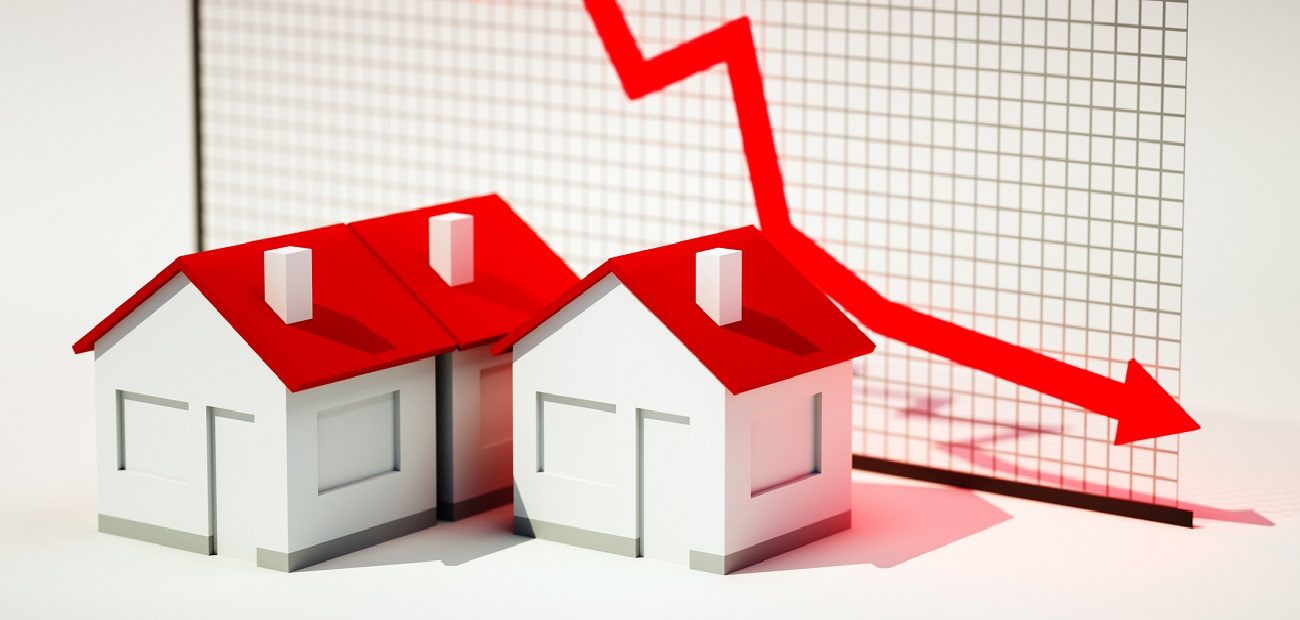
Homes against downward graph

Mortgage rates declined this week, marking the fourth drop in the past five weeks, Freddie Mac reports.

“The decrease in borrowing costs is a nice slice of relief for prospective buyers looking to get into the market this summer,” says Sam Khater, Freddie Mac’s chief economist. “Some are undoubtedly feeling the affordability hit from swift price appreciation and mortgage rates that are still 67 basis points higher than this week a year ago.”

Overall, Khater says the economy and the housing market are on “solid footing” this summer, which should support continued strength in housing demand. “Home price growth is still high, but is expected to moderate, and while sales activity has slowed, it’s primarily because of stubbornly low supply,” Khater says.

Freddie Mac reports the following national averages with mortgage rates for the week ending June 28:

  • 30-year fixed-rate mortgages: averaged 4.55 percent, with an average 0.5 point, falling from last week’s 4.57 percent average. Last year at this time, 30-year rates averaged 3.88 percent.
  • 15-year fixed-rate mortgages: averaged 4.04 percent, with an average 0.5 point, which is unchanged from a week ago. Last year at this time, 15-year rates averaged 3.17 percent.
  • 5-year hybrid adjustable-rate mortgages: averaged 3.87 percent, with an average 0.3 point, rising from last week’s 3.83 percent average. A year ago, 5-year ARMs averaged 3.17 percent.
Facebooktwitterpinterestlinkedin

How Much Influence Should Kids Have in Buying Decisions? | #KidsInfluencePurchase #TalkToYourAgent #SiliconValleyAgent #YajneshRai #YourAgentMatters #01924991

Facebooktwitterpinterestlinkedin

How Much Influence Should Kids Have in Buying Decisions? | Realtor Magazine

Fifty-five percent of homeowners who have a child under the age of 18 say their kids’ opinions factored into their homebuying decision, according to a Harris Poll survey of more than 2,000 U.S. adults. What’s more, 74 percent of millennial parents—those up to age 36—indicate they took their kids’ opinions under consideration when buying a home. Renters pay even more attention to their children: 83 percent say their kids’ opinions mattered in their housing decisions.

Though the trend is strong, real estate professionals and psychologists are torn on how much kids should be involved in real estate matters. Moving is a big decision, and involving the children more in the process may help them feel a greater sense of control and ownership, clinical psychologist Ryan Hooper told the Chicago Tribune. On the other hand, children could feel rejected if their parents are unable to fulfill their requests, Hooper says.

Adam Lietman Bailey, a New York real estate attorney and author of the children’s book Home, says young children can be part of the homebuying decision without actually making the choice. He encourages parents to make their kids feel included by asking questions regarding what they like about the backyard or where their toys would go in the house. Still, “most parents already know [their kids’] desires and needs,” and “moving decisions are likely at a level above the child’s thinking capacity when choosing a home,” Bailey says.

Tracey Hampson, a real estate pro in Santa Clarita, Calif., says she has a client whose home search has been prolonged because he insists on asking for his young children’s approval on the homes they view. The buyer was finally ready to submit an offer on a home with a pool—until his children started crying. It turns out that they didn’t want a pool. “They ended up not submitting an offer,” Hampson told the Tribune. “So speaking with your children before you make a real estate decision is wise, but I wouldn’t base the purchasing decision solely on their opinions.”

Children can be swayed by home-design TV shows or get stuck on certain features, considering only the immediate benefits to them personally, says Aaron Norris of The Norris Group in Riverside, Calif. “Their opinions can change tomorrow,” adds Julie Gurner, a real estate analyst with FitSmallBusiness.com. “As harsh as it may be to say, this decision should likely not be made contingent on a child’s opinions but rather made with great consideration into what home can meet their needs best. You can give them an opportunity to customize it a bit and make it their own.”

Facebooktwitterpinterestlinkedin

Where Sellers Become Millionaires After a Property Sale | #PathToMillionnaire #TalkToYourAgent #SiliconValleyAgent #YajneshRai #YourAgentMatters #01924991

Facebooktwitterpinterestlinkedin

Where Sellers Become Millionaires After a Property Sale | Realtor Magazine

Some homeowners are hitting the million-dollar mark after selling their home. Researchers from PropertyShark, a real estate data firm, analyzed 31 cities to see which areas had the most millionaires as a result of purchasing a home before 2001 for less than $1 million, and then selling it after 2001 for $1 million or more.

The highest share of home-sale millionaires were from San Francisco, such as homeowners who bought a home prior to the dot-com bubble and then sold after the market stabilized and prices started to rise again, according to the study. The Golden Gate City saw 381 people who became millionaires by selling their home after the turn of the century, followed next on the list by Manhattan with 335 millionaires. Los Angeles and Brooklyn, N.Y., followed with each boasting about 280 millionaires.

“Real estate is an investment choice that has made countless people millionaires,” researchers note. But “the market’s condition will determine how much money you’ll get for a property that you bought 10 or 20 years ago.”  

Facebooktwitterpinterestlinkedin

4 Outdoor Projects That Offer the Most Paybacks | #OutdoorProjects #TalkToYourAgent #SiliconValleyAgent #YajneshRai #YourAgentMatters #01924991

Facebooktwitterpinterestlinkedin

4 Outdoor Projects That Offer the Most Paybacks | Realtor Magazine

Outdoor projects can help boost a home’s value by up to 10 percent, according to a new realtor.com® report. Outdoor showers, barbecue stations, entertainment pools, and firepits are the top projects that realtor.com® researchers found with the biggest potential increases to a home’s price.

For its research, realtor.com® analyzed listings at its site for summer-related outdoor features in single-family homes listed for $150,000 or more.

An outdoor shower offers the biggest return on investment, according to realtor.com®’s research. Researchers found that homes with outside bathing areas had a 97 percent price-per-square-foot premium. They speculate that such a feature may be appealing since it’s usually found in homes that are near a beach or an expensive property with other luxury amenities.

Researchers also found that homes with barbecue stations are 26 percent more expensive than those without. In Utah, homes with barbecue stations tend to be listed for 58 percent more per square foot than other homes in the state.

Also, entertainment pools—with enough space around them for others to lounge—could give a home a 26 percent increase in its value. In New York state, homes with such entertainment pools were 224 percent pricier per square foot than those without.

Firepits and backyard fireplaces are also proving to be a hot way for homeowners to boost their home prices. Homes with firepits or backyard fireplaces had a 25 percent premium, according to researchers.

“Outdoor features can give a home a special quality in the market,” says Javier Vivas, realtor.com®’s director of economic research. “And anytime you have a unique feature, it can bolster the prospective value of a home.”

Facebooktwitterpinterestlinkedin