3 Design Tips to Enhance a Home’s Good Vibes | #GoodHomeVibes #TalkToYourAgent #SiliconValleyAgent #YajneshRai

Facebooktwitterpinterestlinkedin

3 Design Tips to Enhance a Home’s Good Vibes | Realtor Magazine

A space can have an instant effect on your mood. How can you make sure a home gives off positive energy and style? A recent article at The New York Times shares tips from designers on creating a home that supports a person’s well-being. Some of these tips could also apply to creating a more welcoming vibe in the staging of properties.


Embrace the two-foot rule.

Justina Blakeney, author of The New Bohemians Handbook: Come Home to Good Vibes, abides by a rule that passageways within the home be at least 24 inches between furnishings. “Even in small spaces, if you can leave two feet for these passageways, you tend not to bonk as much and get as cluttered,” she told The New York Times.

Let more light flow in.

“If I had to pick one tool that makes a home feel good, I would pick natural light,” Blakeney says. “Having a big window where there was none is a huge game changer. I would choose that over the sofa of my dreams.” Mirrors can also help add in more light by strategically reflecting whatever natural light the space does have.

Add in more plants.

“Anyone who spends a day hiking in the forest can attest that being in nature is good for the soul,” Blakeney says. “Why not bring that feeling home?” She has 52 houseplants in her 1,100-square-foot home. The plants range from small succulents to large palms in every room. “Living energy in your home is positive energy,” she said. “It’s people, pets, and plants that make a home.”

Facebooktwitterpinterestlinkedin

Home Buyers in a Rush to Beat Higher Rates | #BeatHigherRates #TalkToYourAgent #SiliconValleyAgent #YajneshRai

Facebooktwitterpinterestlinkedin

Home Buyers in a Rush to Beat Higher Rates | Realtor Magazine

Mortgage rates are moving higher, and that has some home shoppers rushing to locking in rates before they edge up even more.

Mortgage applications for refinancings and home purchases increased 4.5 percent last week compared to the previous week on a seasonally adjusted basis, the Mortgage Bankers Association reported Wednesday. Loan applications are now 6.1 percent higher than the same week a year ago.

Broken out, applications to purchase a home surged 6 percent during the week and reached their highest level since April 2010, the MBA reports. Loan applications for home purchases are now 7 percent higher than the same week a year ago.

“A combination of being left on the sideline last summer due to a lack of inventory for sale and the prospect of slowly rising interest rates over the near term appears to have buyers in a hurry to start the spring buying season,” says Lynn Fisher, the MBA’s vice president of research and economics.

Mortgage applications to refinance a home increased 1 percent for the week. Typically, refinance applications move lower when interest rates rise, but borrowers are showing some concern for missing an opportunity to refinance at lower rates.

The 30-year fixed-rate mortgage averaged 4.36 percent during the week, its highest average since March, the MBA reports.

“The increases that we’ve seen so far have only gotten people off the couch and into the market,” Glenn Kelman, CEO of Redfin, told CNBC. “People are worrying that they need to hurry and buy a house now before rates go up further.

Facebooktwitterpinterestlinkedin

4 Pros, 4 Cons of Open Floor Plans | #OpenFloorPlans #TalkToYourAgent #SiliconValleyAgent #YajneshRai

Facebooktwitterpinterestlinkedin

4 Pros, 4 Cons of Open Floor Plans | Realtor Magazine

The open floor plan has been popular in many new home designs. Homeowners are showing a desire to have no walls separating the kitchen, dining, and living areas. In fact, 84 percent of new single-family homes have fully or partially open layouts, according to the National Association of Home Builders.

Some owners are knocking down walls during home renovations to have their own open floor plan. But before they do, they may want to reconsider if an open floor plan is what they really want or if they’re just motivated because of its popularity.

Realtor.com® recently highlighted some pros and cons of open floor plans to help owners and buyers decide if it’s right for them:

Pros

  • Takes advantage of square footage: “An open floor plan home will feel bigger because you don’t have all this unused space,” says Jay Kallos, vice president of architecture for Ashton Woods in Atlanta.
  • Brightens a home: More natural light from windows can spread throughout an open home.
  • Fosters social gathering: Open floor plans can make it easier to socialize, putting family and guests all in one space together.
  • Encourages flexibility: “Open floor plans create a usable space that’s flexible, based on your needs,” says Jimmy Branham, a real estate professional with the Keyes Company in Fort Lauderdale, Fla. Homeowners can define the space without having to make architectural changes.

Cons

  • Smells travel: The cooking heat and kitchen aromas will be impossible to contain, so the smells are more present in an open floor home.
  • Offers less privacy and can be noisier: You may have a tough time hiding from noise—the lack of walls makes the space echo and absorb less sound.
  • Can’​t hide messiness: Without separate rooms, any mess will be on display. You can’t conceal anything behind closed doors.
  • Being a fad that fades: The open floor plan is a hot trend right now, but everything eventually goes out of style. The trend doesn’t appear to be slowing yet, but realtor.com® cautions that you could be setting yourself up to look outdated in 10 or 20 years.
Facebooktwitterpinterestlinkedin

2018 Outdoor Living Trends: Jaw-Dropping Transformations | #OutDoorIdeas #TalkToYourAgent #SiliconValleyAgent #YajneshRai

Facebooktwitterpinterestlinkedin

2018 Outdoor Living Trends: Jaw-Dropping Transformations

Outdoor patio spaces have sure changed in the last few years with the onset of new outdoor materials, furnishings, fixtures, Cantina doors, and the home owner’s desire for more outdoor living and entertaining space.  In fact, according to the 2017 National Association of REALTORS’ Profile of Home Staging report, the desire to see outdoor spaces staged when selling a home was at 63 percent.  It was not even mentioned in the previous survey.

This outdoor space total transformation is a great example of the kinds of living trends you can expect to see for 2018 and beyond.

Trend #1 – Capitalizing on Available and Unusable Yard Space by Creating Multi-Functional Entertaining Areas

This side yard off the kitchen and dining area was an unusable space used only for barbecuing and the occasional outdoor eating. The patio was too small.  Today’s yards are multi-functional and serve to entertain, lounge, and maximize lot square footage.

Slinkey_1

BEFORE / Photo credit: www.homestagingresource.com


Slinkey_2

AFTER / www.homestagingresource.com


The side yard appears to be much bigger than before and now serves as an extension of the kitchen and living room area.  The wasted and unused yard is now a highlight of the home adding nearly 1,000 square feet of living space.

Trend #2 – Bring the Outside In with La Cantina/Folding Doors

BEFORE / www.homestagingresource.com

BEFORE / www.homestagingresource.com


AFTER / www.homestagingresource.com

AFTER / www.homestagingresource.com


Removing the kitchen wall and adding La Cantina folding doors allows for seamless movement between the inside and out.  Almost every new home being built in San Diego County has one of these doors inside, so expect to see a lot more of these in the coming years.

Trend #3– Home Bars and Wine Rooms for Entertaining

The casual setting of a home bar is on the rise with a large selection of finishing materials and resources available online to home owners.  More people are entertaining larger crowds in a “help yourself” type of atmosphere.  The Houzz category of “Home Bar” is one of the fastest growing and searched type of photos. So it’s no wonder people are adding them to their outdoor space.

BEFORE / www.homestagingresource.com

BEFORE / www.homestagingresource.com


AFTER / www.homestagingresource.com

AFTER / www.homestagingresource.com 

Trend #4 – Textured Walls/Tongue and Groove Siding

Part of making an outside addition appear to be seamless to the inside is to not have the walls look like the outside of a house.  An easy way to create the “indoor look” is to banish stucco entirely and use tongue and groove, as well as wood cabinets (treated and painted) to add character.

Photo credit: www.homestagingresource.com

Photo credit: www.homestagingresource.com


Trend #5 – Seamless Outdoor Heating that Works and is Energy Efficient

It wasn’t that long ago home owners were relegated to the indoors for most of the year due to cold and hot weather issues.  Sophisticated and low energy heating units embedded into the ceiling make this a year round space for watching TV and entertaining!


Photo credit: www.homestagingresource.com

Photo credit: www.homestagingresource.com


Trend #6 – Matching Flooring as an “Extension” of the Indoor Space

Keeping in line with the home owner’s desire for a seamless movement between inside and outside, flooring options have widened allowing owner’s to use tile that looks like wood but is hardy and easy to wash in their outside space.

BEFORE / www.homestagingresource.com

BEFORE / www.homestagingresource.com


AFTER / www.homestagingresource.com

AFTER / www.homestagingresource.com


From a resale standpoint, these outdoor spaces cost much less than additions and add buyer lifestyle value.  Light fixtures, finishes, and furnishings that can withstand the outdoor elements are easier to source than ever before, so it can be fun for the designer/stager to get creative with their clients.

Facebooktwitterpinterestlinkedin

White Kitchen Fatigue? | #KitchenTrends #TalkToYourAgent #SiliconValleyAgent #YajneshRai

Facebooktwitterpinterestlinkedin

White Kitchen Fatigue?

Are homeowners growing tired of the all-white kitchen? Some design experts believe so. White kitchens have been popular over the past few years, but Houzz editor and writer Mitchell Parker predicts that the number of homeowners who will get “white-kitchen fatigue” will grow in the new year.

Some homeowners may experiment with adding more colors back in to the kitchen.

“While white kitchens aren’t going anywhere, expect to see a rise in color, especially other neutrals like gray and blue,” Parker notes in reporting on 2018 home trends. “Plus, warm wood tones are becoming a popular replacement for painted cabinets, leading to sophisticated, rich palettes.”

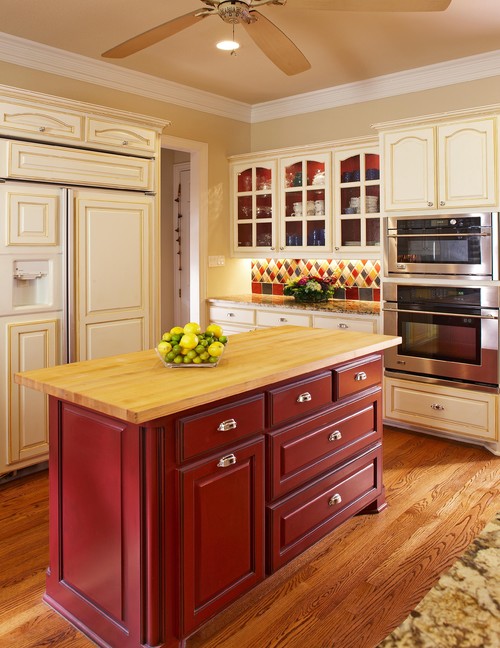
The two-tone look started catching on in 2017, in which cabinet colors were mixed and matched in the kitchen. For example, the bottom cabinets might be a darker color, such as gray, and the upper cabinets then all in white. Or, homeowners were making a bigger statement with their kitchen islands by painting it a bolder color that contrasted with the rest of its kitchen cabinets.

Facebooktwitterpinterestlinkedin

How to Get Hot Water Faster at Home | Home Matters | #OptimizeWaterExpenses #TalkToYourAgent #SiliconValleyAgent #YajneshRai

Facebooktwitterpinterestlinkedin

How to Get Hot Water Faster at Home | Home Matters | AHS

No ones likes getting splashed with cold water during the winter. Learn how to get hot water faster and how this affects your heating and plumbing.

Instant hot water

Do you ever find yourself wondering how to get hot water faster? In the chilly winter months, waiting for the tap to deliver hot water can seem like an eternity. But you may be surprised to learn that, even with a standard tank water heater, you can have instant hot water in your home — or something very close to it. Let’s explore your options for getting instant hot water at home. 

Hot Water Recirculation Pump

One way to instantly get hot water is a hot water recirculation pump. This innovative device delivers hot water to your faucet without the wait. Here’s how it works.

When you turn off the hot water tap in most homes, the hot water remaining in the pipes eventually cools down. When you reopen the tap, you drain that cooled water until a fresh supply of hot water reaches the faucet. The process can take several minutes and can waste a significant amount of water, heat energy and time.

With a recirculation or booster pump mounted near your faucet, the hot water that has cooled is sent back to your water heater and quickly replaced with a fresh supply of hot water. Now, when you turn on the hot water tap, you get near-instantaneous hot water. Recirculation pump-equipped plumbing systems can reduce your hot water wait times by between 60 and 80 percent.

A variation of the faucet recirculation pump is the water heater-mounted unit. These models contain a 120-volt pump and a timer that is connected to the hot water line. At preset times, the recirculation pump turns on (using about the same power as a 25-watt lightbulb) and keeps the hot water circulating, making it immediately available at the tap.

Finally, electronic recirculation pumps also rely on an electric pump. However, these models add digital controls and a thermostat-controlled zone valve to achieve peak efficiency. Electronic recirculation pumps can be activated by a push button, remote control or even a motion detector.

Point-Of-Use Tankless Water Heater

If you want to get hot water faster, a point-of-use tankless heater is another option to consider. These small units usually fit inside a sink cabinet or closet. They work much like whole-house tankless units but are intended to serve only one sink or shower. They are far less expensive than whole-house models and are a good option when your standard water heater doesn’t have the capacity to simultaneously meet all your household’s hot water needs.

Structured Plumbing For Instant Hot Water At Home

Another way to get hot water faster, especially in newer homes, is structured plumbing. In a structured plumbing scenario, your water heater is situated at the center of the house rather than in your garage or basement. Whenever you need hot water, you simply switch on the hot water pump. A one-inch main hot water line runs through the home, never more than 10 feet from any faucet, and is connected to your faucets with pipe measuring three-eighths of an inch in diameter. The larger main line means a shorter wait for hot water when the pump is activated, and the smaller branches mean that less water runs down the drain while you’re waiting for hot water.

Whichever instant hot water option you choose, you could end up conserving as much as 11,000 to 16,000 gallons of water each year. Moreover, by speeding up the delivery of hot water, you’re likely to see a positive difference in your utility bills. Heating water to washes dishes, do laundry, shower and bathe accounts for 12 percent of the average American household’s total energy expenses.

Upgrades to your home’s plumbing and heating systems are an investment, and therefore worth protecting. Be sure to perform the manufacturer’s recommended preventive maintenance on your systems and their components, and have any necessary repairs made quickly by a qualified professional. To further minimize the costs associated with the repair and replacement of your home’s heating and plumbing equipment, consider purchasing an American Home Shield® Home Warranty. Our flexible plans and expert contractors can help you safeguard your home, as well as your household budget. 

Facebooktwitterpinterestlinkedin

Foreclosed Homes Dip to 12-Year Low | #Foreclosures? #TalkToYourAgent #SiliconValleyAgent #YajneshRai

Facebooktwitterpinterestlinkedin

Foreclosed Homes Dip to 12-Year Low | Realtor Magazine

Foreclosures hit a 12-year low in 2017, and the distressed properties remain increasingly difficult to find in many markets. Foreclosure filings in 2017—which include default notices, scheduled auctions, and bank repossessions—dropped to the lowest level since 2005.

In total, foreclosure filings were reported on 676,535 U.S. properties in 2017. That represents just 0.51 percent of all housing units in the country. Filings were down 76 percent from a peak of nearly 2.9 million in 2010, ATTOM Data Solutions, a real estate data firm, reports in its newly released 2017 U.S. Foreclosure Market Report.

“Thanks to a housing boom driven primarily by a scarcity of supply, which has helped to limit home purchases to the most highly qualified—and low-risk—borrowers, the U.S. housing market has the luxury of playing a version of foreclosure limbo in which it searches for how low foreclosures can go,” says Daren Blomquist, senior vice president at ATTOM Data Solutions. “There are a few notable local market exceptions playing a different version of foreclosure limbo in which a backlog of legacy foreclosure activity left over from the last housing crisis is still winding its way through a labyrinthine foreclosure process, resulting in incongruous jumps in various stages of foreclosure activity in markets such as New York, New Jersey, and D.C.”

Foreclosure starts are at a new record low nationwide. Lenders started the foreclosure process on 383,701 properties in 2017, down a whopping 82 percent from a peak of more than 2 million in 2009. That marks a new all-time low for foreclosure start data since ATTOM Data Solutions began collecting such data in 2006.

But a few markets are countering that trend. For example, the District of Columbia and five states posted year-over-year increases in foreclosure starts in 2017, which include Washington, D.C. (up 54 percent); West Virginia (up 32 percent); Vermont (up 27 percent); Oklahoma (up 23 percent); Illinois (up 2 percent); and Louisiana (up 2 percent).

Facebooktwitterpinterestlinkedin

Loan Demand Jumps Over Fears? | #MortgageRush #TalkToYourAgent #SiliconValleyAgent #YajneshRai

Facebooktwitterpinterestlinkedin

Loan Demand Jumps Over Fears? | Realtor Magazine

Mortgage applications for refinancings and home purchases surged 4.1 percent last week on a seasonally adjusted basis, even as interest rates rose, the Mortgage Bankers Association reported Wednesday. Volume is now up 5.6 percent over a year ago.

More consumers are growing concerned that the long run of record low rates may be coming to an end. As such, they’re rushing to lock in rates before any more upticks.

Applications to purchase a home increased 3 percent last week and are now 7 percent higher than the same week a year ago. Refinance applications rose 4 percent last week. Typically, refinance applications drop when interest rates rise so applications diverted from normal patterns last week.

The MBA reports that the average 30-year fixed-rate mortgage rose last week to 4.33 percent, from 4.23 percent the previous week. Interest rates across the board rose last week, including the 5/1 adjustable-rate mortgage, which rose to its highest level since April 2011.

“Treasury yields moved higher on average last week, based on news that both Japanese and European economic growth is strengthening, along with concern that China may reduce U.S. Treasury holdings in the near future,” explains Joel Kan, an MBA economist. “Despite the increase in rates, applications increased both for purchase and refinance. These increases were partly due to an upswing following the holiday season lull and potentially more borrowers trying to refinance before mortgage rates increase further.”

Facebooktwitterpinterestlinkedin

Owners Get Real About Home Values | #AppraisalValues #TalkToYourAgent #SiliconValleyAgent #YajneshRai

Facebooktwitterpinterestlinkedin

Owners Get Real About Home Values | Realtor Magazine

The gap between homeowners’ and appraisers’ perceptions on the value of properties is continuing to close. Homeowners, in general, still tend to slightly overestimate the price of their home, but not by nearly as much as they did a year ago.

Home appraisals were, on average, 0.5 percent lower than what owners expected in December, according to the latest National Quicken Loans Home Price Perception Index. The gap is closing; a year ago, homeowners were overestimating their property values by a full 1 percent more than appraisers.

Home values are increasing, which helps value estimates align. Quicken Loans’ index showed the average appraisal value increased 0.65 percent from November to December 2017. This is 6.17 percent higher than a year ago.

“Appraisers and real estate professionals evaluate their local housing markets daily,” says Bill Banfield, Quicken Loans executive vice president of Capital Markets. “Homeowners, on the other hand, may only think about their housing market when they see For Sale signs hit front yards in the spring or when they think about accessing their equity. This is reflected in the [index]. The housing markets that are rising quickly, like those in the West, are having appraisal values increasing above owner estimates because owners don’t realize just how quickly those markets are advancing.”


Facebooktwitterpinterestlinkedin

Employers Can Now Add to Down Payments | #EmployersContributeToDownpayment #TalkToYourAgent #SiliconValleyAgent #YajneshRai

Facebooktwitterpinterestlinkedin

Employers Can Now Add to Down Payments | Realtor Magazine

A new program allows employers to help workers’ down payment on a home, similar to how companies contribute to a 401(k). 

HomeFundMe, a Fannie Mae and Freddie Mac-approved down payment crowdfunding platform, allows borrowers to crowdfund their down payment from several sources, including their employer. CMG Financial, a mortgage banking firm, created the HomeFundMe program. Employers can contribute directly to employees’ HomeFundMe accounts to help raise funds for a down payment on a home.

HomeFundMe explains: “The HomeFundMe Affinity Portal allows employers to add HomeFundMe to their benefit packages, with the option to elect to match donations in any amount. Employers simply have to share the customized crowdfunding platform with employees, and HomeFundMe will provide all the materials necessary to communicate the benefit.”

Some loans may also be eligible for a lender contribution of $2 for every $1 crowdfunded, up to $2,500 or 1 percent of the purchase price. Buyers who have incomes above the average median income can receive a lender contribution of $2 for every $1 crowdfunded, up to $1,000 or 1 percent of the purchase price.

HomeFundMe loans are also eligible for a buyer or listing agent contribution of 1 percent toward the down payment.

All crowdfunded money is held in escrow until settlement.

“More than ever, employers are looking for ways to retain and attract the best and brightest talent and millennials are looking for the lifestyle perks that will help them achieve their goal,” says Chris George, president of CMG Financial. “The Affinity Portal helps to bridge that gap by giving employers the ability to give their employees the benefits that matter most to them.”

Facebooktwitterpinterestlinkedin